
NOVA LAB
Metabolic research insights and mechanistic overview
Retatrutide is a subject of modern research in the field of metabolic regulation and energy balance. It is being studied in the context of its multi-pathway activity on different hormonal systems involved in the regulation of appetite, metabolism, and energy expenditure.
Contact UsNOVA LAB
Understanding the biological pathways involved in metabolic regulation
Retatrutide has attracted significant scientific interest because it combines activity across three distinct receptor pathways within a single molecule. Unlike earlier approaches that focused primarily on one hormonal pathway, Retatrutide is being investigated for its ability to simultaneously engage GLP-1, GIP, and glucagon receptors. This multi-pathway approach has become an important area of research in the study of metabolism, energy balance, and hormonal regulation.
NOVA LAB
Understanding the biological pathways involved in metabolic regulation
Retatrutide is an investigational molecule that is being studied for its ability to interact with multiple biological signaling pathways involved in metabolic regulation. It functions as a triple receptor agonist, meaning it is designed to activate three distinct hormone receptors:
The GIP (Glucose-Dependent Insulinotropic Polypeptide) pathway is being studied for its role in metabolic regulation and energy management. Researchers continue to evaluate how this pathway may contribute to overall metabolic function.
The GLP-1 (Glucagon-Like Peptide-1) pathway is associated with appetite regulation and satiety signaling. Research suggests that activation of this pathway may influence food intake and eating behavior through mechanisms involved in hunger control.
The glucagon receptor pathway is associated with energy expenditure and metabolic activity. Current research investigates how stimulation of this pathway may influence the body's utilization of energy resources.
NOVA LAB
Understanding observations from ongoing metabolic investigations
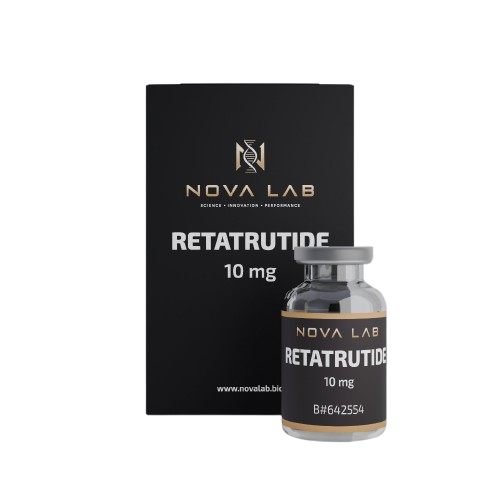
Regulation of hunger signaling and food intake.
Longer-lasting feeling of fullness after meals.
Reduced caloric consumption observed in clinical studies.
Improved glycemic control under investigation.
Research focuses on energy expenditure and metabolic activity.
Significant weight reduction reported in certain clinical trials.
NOVA LAB
Structured workflow for sample analysis and information processing
Retatrutide is currently being evaluated in Phase 3 clinical research programs. Ongoing studies are investigating its safety, efficacy, and potential applications across multiple metabolic and health-related conditions.
Current research programs include investigations related to obesity, type 2 diabetes, obstructive sleep apnea (OSA), metabolic dysfunction-associated steatotic liver disease (MASLD), cardiovascular outcomes, kidney health, and chronic pain-related conditions.
As an investigational compound, Retatrutide has not yet received regulatory approval for public use.
NOVA LAB
Key information about our research topics and methodologies
The information provided on this website is intended for educational and informational purposes only. Retatrutide is an investigational molecule currently undergoing clinical evaluation and has not been approved for public use.